Yellowknife
Plan your trip to Yellowknife, Northwest Territories. A gateway to the Canadian North where wilderness, culture, and adventure meet. Whether you’re chasing the northern lights, fishing the vast waters of Great Slave Lake, or exploring the city’s unique history, Yellowknife is the kind of place that leaves a lasting impression.
Fast Facts

Why Visit Yellowknife?
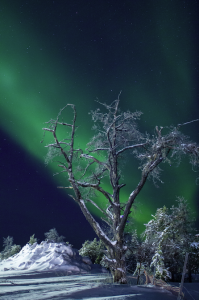
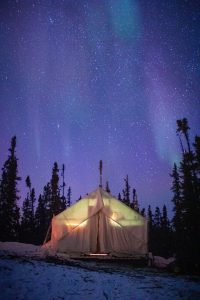
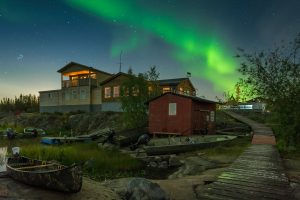
Yellowknife offers a blend of natural beauty and northern culture that you won’t find anywhere else in Canada. For many visitors, the biggest draw is the Aurora Borealis. The city is located directly under the auroral oval, giving it some of the most reliable and vibrant northern lights displays on earth. Tour operators provide everything from heated aurora-viewing cabins to multi-day wilderness trips under the stars.
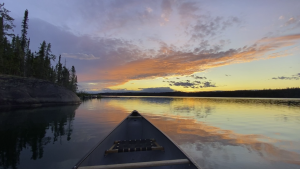
The city also sits on the edge of Great Slave Lake, a vast inland sea that’s perfect for boating, canoeing, and fishing. In winter, the frozen lake transforms into an ice road and a venue for snowmobiling and kite-skiing. Just minutes from downtown you’ll find wilderness trails, hidden lakes, and an endless horizon of boreal forest.
Yellowknife has a rich cultural life, shaped by Indigenous communities and a history tied to fur trading and gold mining. Today, you can explore galleries featuring Dene and Inuit art, visit historic cabins in Old Town, or attend events like the Snowking’s Winter Festival and Folk on the Rocks.
If you’re looking for adventure with a dose of culture, Yellowknife is one of the most unique destinations in Canada.
Planning Essentials
Best Time to Visit
Winter
December – March
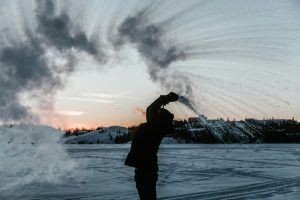
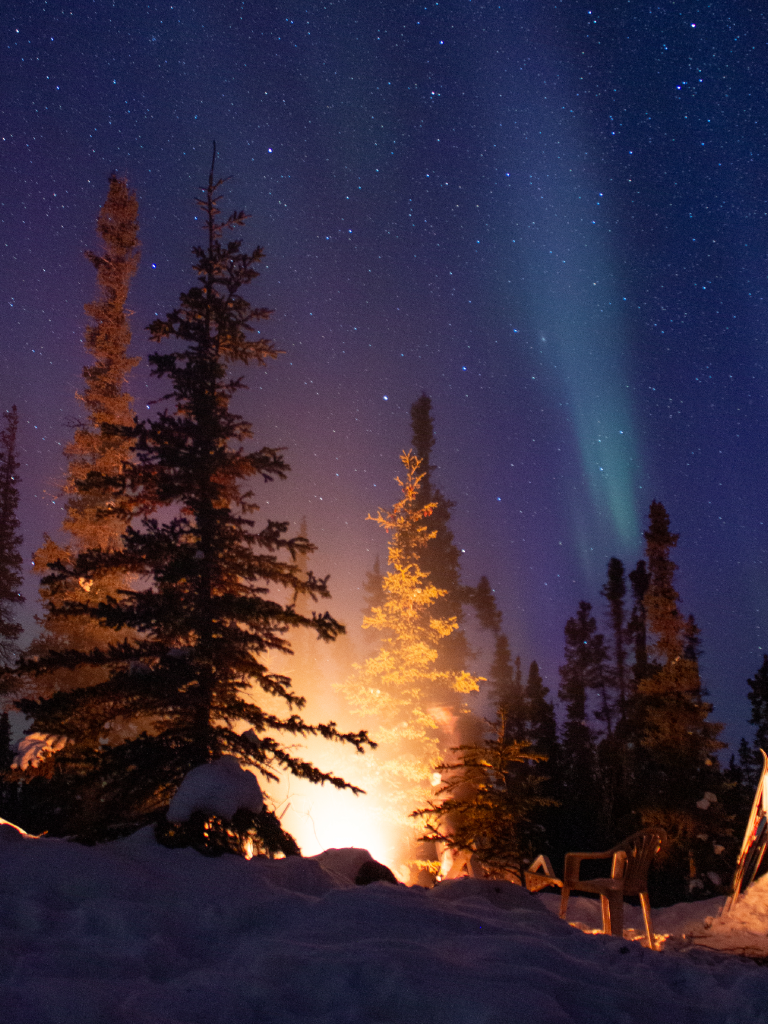
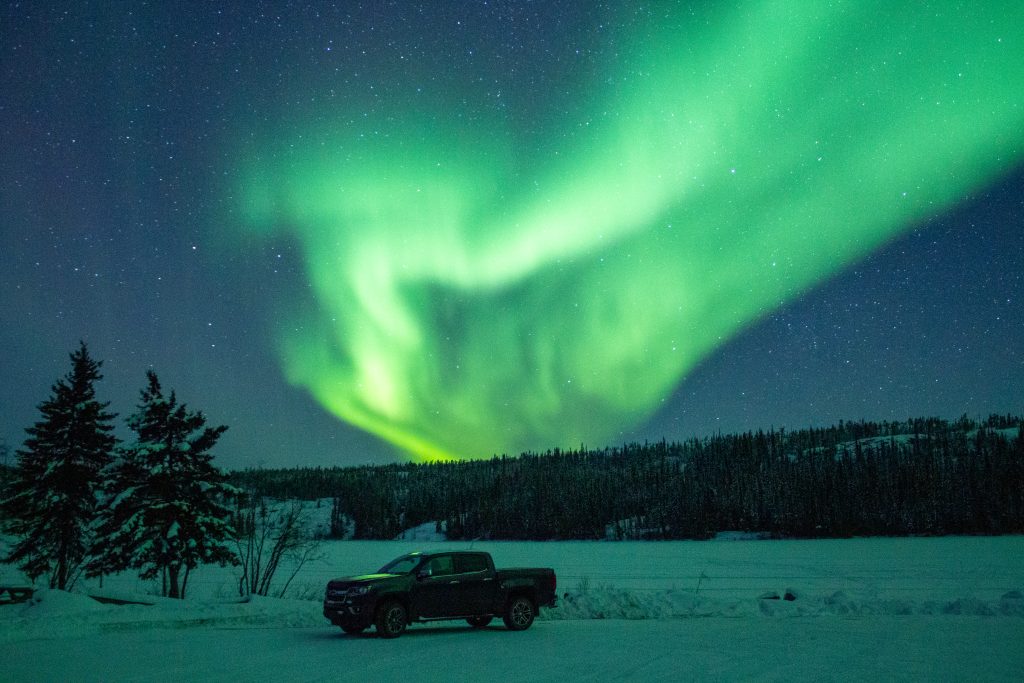
This is aurora season. The skies are clear, nights are long, and Yellowknife’s location under the auroral oval makes sightings almost guaranteed. Visitors can join guided dog sledding or snowmobiling tours, sleep in aurora-viewing lodges, or attend the Snowking’s Winter Festival in March. Just be prepared for extreme cold — temperatures can drop below –30°C.
Summer
June – August
During summer, Yellowknife experiences nearly 24 hours of daylight. This is the season for paddling, hiking, fishing, and enjoying the great outdoors. The Folk on the Rocks music festival in July is a highlight, and the long days make it easy to pack in adventure.
Shoulder Seasons
April – May, September – November
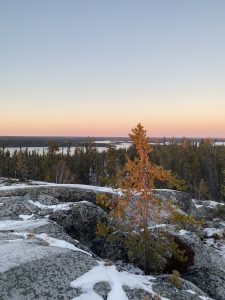
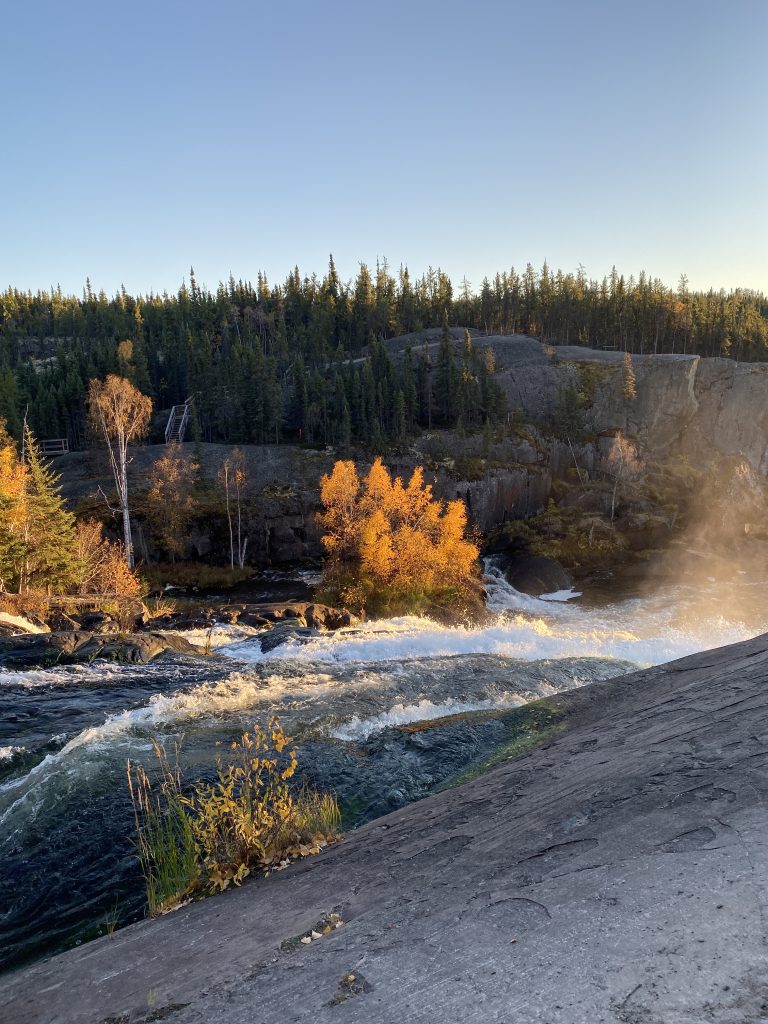
Quieter and less crowded, but weather can be unpredictable. Fall is particularly beautiful with golden leaves and the return of the aurora, but services may be more limited.
Getting Around
Yellowknife has a compact downtown that’s easy to explore on foot, but many attractions and trails are outside the core. Renting a car is the best option for flexibility, especially if you want to reach aurora-viewing areas or lakes outside of town. Local taxis and shuttle services are available, and many tour operators offer pick-up and drop-off directly from hotels.
Local Tips
- Dress in layers: Weather can change quickly. Winters are harsh, and summers can swing from hot days to chilly nights.
- Book early: Hotels and aurora tours sell out months in advance, especially in winter.
- Respect local culture: Many tours are Indigenous-led. Take the opportunity to learn and engage respectfully.
- Don’t forget bug spray in summer: The long days are incredible, but mosquitos are part of the package.
How many days do you need in Yellowknife?
Most travellers spend 3 to 4 days in Yellowknife. This gives you several nights to see the northern lights and enough time for activities like exploring Old Town, taking a dog sledding tour, or paddling on Great Slave Lake. If you’re visiting in summer and want to include more outdoor adventures, you may want to stay a little longer.
Is Yellowknife safe for tourists?
Yes, Yellowknife is generally safe for visitors. Like any small city, it’s good to take normal precautions, especially at night. The biggest safety concern is actually the weather, be prepared for extreme cold in winter and bring layers.
When is the best time to see the northern lights in Yellowknife?
The aurora is visible from mid-August to mid-April, with the peak viewing season running from December through March. Clear skies and long nights during winter make sightings almost guaranteed. Many locals also enjoy late summer, from mid-August to mid-September, when the nights are returning, the weather is mild, and the mosquitoes have started to fade. It’s a comfortable and beautiful time to catch your first northern lights of the season.